
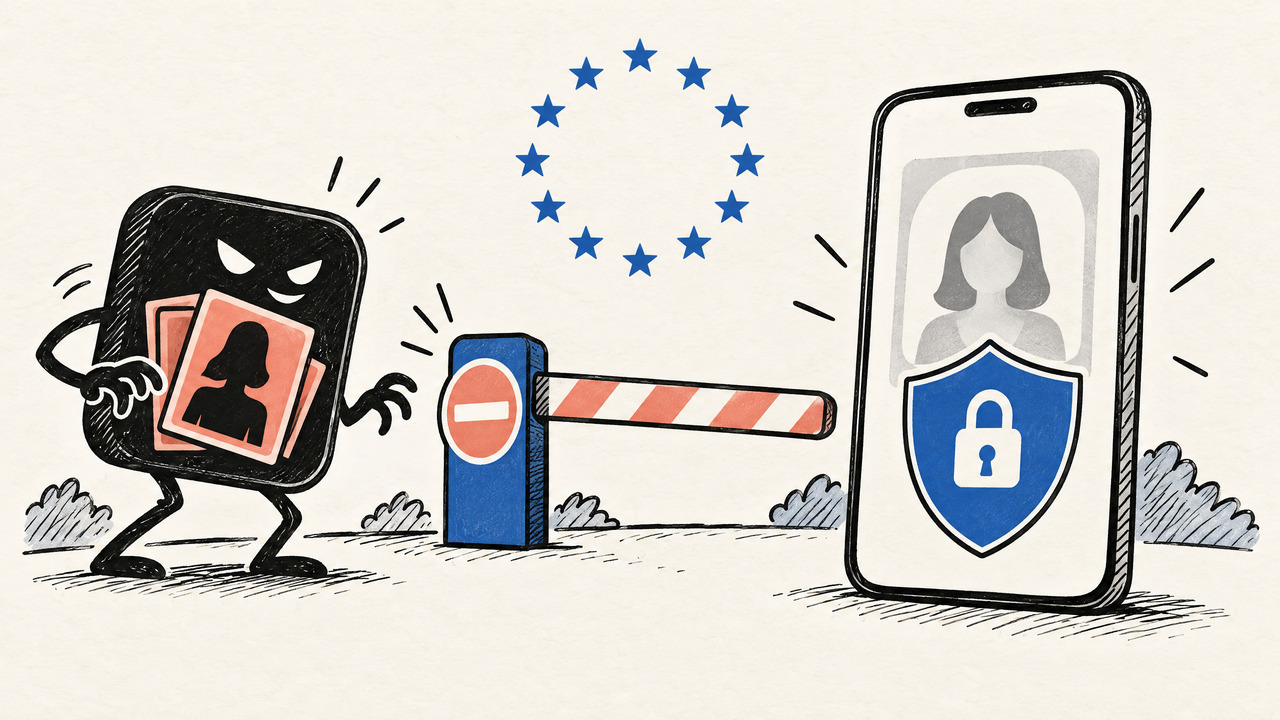
A new prohibition in the EU Artificial Intelligence Act is scheduled to start applying on December 2, 2026. It was added by Regulation (EU) 2026/1744, which has already been adopted and published; this is not merely a proposal. The date applies to the new ban, not to the whole AI Act, which began applying in stages earlier. The amendment is separate from the Council’s recent negotiating position on proposed data-protection, privacy and cyber-reporting changes, so the two EU digital-law stories should not be confused.
The new rule targets AI systems that create or manipulate realistic images, videos, audio or similar material showing an identifiable person’s intimate body parts or sexually explicit activity without that person’s freely given, specific, informed, unambiguous and explicit consent. It also covers AI systems that generate or manipulate child sexual abuse material. The regulation treats this as a serious risk to privacy, dignity and safety, because such material can be used to humiliate or threaten people and can spread quickly online. In public debate, software designed to digitally remove clothing is often called a “nudifier” app.
The law does not make every image generator illegal. A provider is covered when the system is intended to make prohibited material, or when that result is reasonably foreseeable and reproducible without major technical changes and the provider has not put reasonable, adequate safeguards in place. The regulation gives examples such as refusal training, output filters and ways to detect misuse. A person or business deploying an AI system is prohibited from using it for the purpose of making the covered material. The legal text also limits the rule to realistic depictions of identifiable people and includes consent-based medical or other lawful uses.
For citizens, the change adds an EU-wide AI Act rule alongside national laws and platform policies; it does not replace every other route for responding to image abuse. The rule is not a blanket ban on general-purpose image tools used for lawful or consensual purposes. It also does not mean that every victim will automatically receive help or that all harmful images will disappear on December 2; reporting, investigation and enforcement still matter. The same amendment moves some high-risk AI obligations to later dates—December 2, 2027, and August 2, 2028, for different categories—but those delays do not postpone this new prohibition. The clear takeaway is that the ban is adopted, and its application date is near.
If you need help securing a Windows computer, checking privacy settings or removing unwanted software, KOTIK offers remote IT support for everyday technology problems. Where a Windows installation or program needs a fresh start, KOTIK’s remote reinstallation includes a backup. Support is available in English and, with translation assistance, in other European languages. We speak your language!
Sources: